


The Future of Renewable Energy: Innovations in Engineering for the Environment
November 25, 2026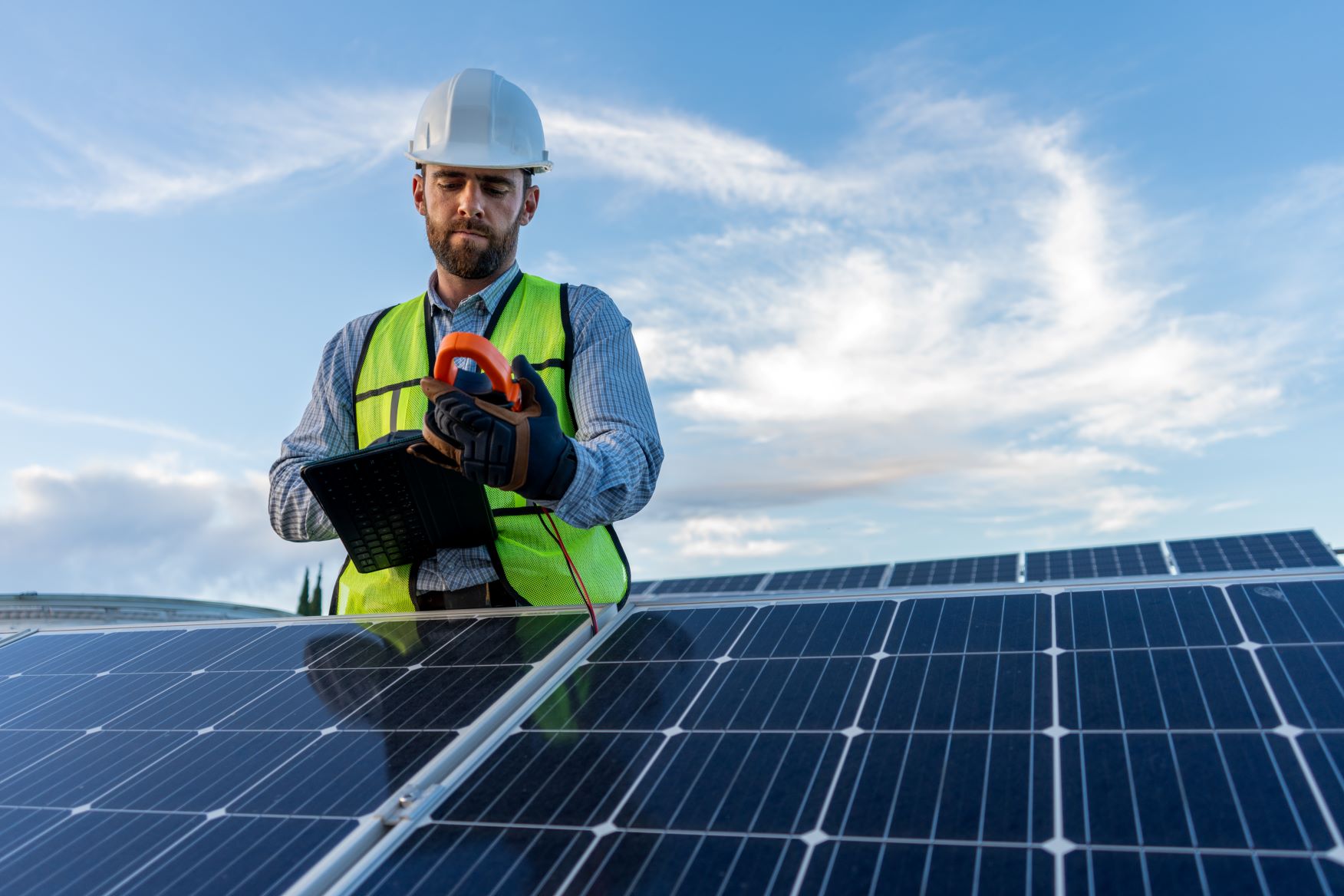
Some of the most significant transformations in global energy production are taking place on rooftops, within large-scale battery storage systems, and through sophisticated algorithms that manage increasingly complex energy networks. Renewable energy technologies are advancing at a pace and becoming more affordable than many experts initially anticipated. Driving this rapid progress is the growing application of engineering innovation, particularly applied environmental engineering, on an unprecedented scale. Through the integration of sustainable design, technological advancements, and improved energy systems, environmental engineering is helping reshape how the world generates, stores, and distributes energy.
Engineering Is Reshaping Energy Systems
Historically, solar panels have been celebrated for their potential but limited by their efficiency ceilings. Now, next-generation solar is pushing past the limits of traditional silicon. Perovskite-silicon tandem cells have reached 34.6% efficiency in laboratory conditions—a 57% improvement over conventional panels—and are increasingly viable for commercial deployment. Solar tracker systems are increasing energy yields up to an additional 30%. These advancements are making solar the cleanest and most economical option for many regions.
Battery storage has also emerged as a missing link. In 2025, the U.S. deployed four times as much new battery capacity compared to 2022. These systems absorb excess midday solar energy, release it during evening demand peaks, and respond to grid fluctuations far faster than any thermal plant can manage. The "duck curve" that once made solar integration complicated is increasingly being flattened by storage.
Renewable Energy Beyond Solar and Wind
Smart grids are the connective tissue holding this new energy architecture together. According to the International Energy Agency's overview of smart grid development, intelligent grid systems use real-time data, AI-driven forecasting, and automated demand response to balance variable renewable sources at scale. Google's DeepMind, for example, has demonstrated 20% improvements in wind farm value through AI-powered generation forecasting alone.
Beyond the technologies already scaling, a second wave is emerging. Green hydrogen, which is produced by using renewable electricity to split water, is attracting serious infrastructure investment as a long-duration storage medium and industrial fuel alternative. Tidal and wave energy systems are unlocking coastal power potential that solar and wind can't reach. Waste-to-energy systems are converting municipal and agricultural waste into electricity, addressing both an energy gap and a disposal challenge simultaneously. These converging technologies are essential for reaching the emissions reductions climate targets actually require.
Funding the Clean Energy Transition
Governments and corporations are accelerating these technologies. Europe has committed over $100 billion to grid modernization. Amazon has secured more than 40 gigawatts in clean energy power purchase agreements. When Meta built a new data center in South Carolina, it simultaneously partnered on a 100-megawatt solar installation to power it.
The economics are increasingly self-reinforcing. Reporting from Forbes notes that combining solar with storage is the fastest and most affordable path to meet surging power demand, making clean energy both a climate and cost decision. Data centers powering the AI boom are among the loudest voices calling for expanded renewable capacity, because renewables are now often the fastest way to get power online at scale.
The Engineers Behind Energy Innovation
Innovations in renewable energy are primarily an engineering-driven field. Mechanical engineering focuses on designing wind turbines, hydroelectric systems, and energy conversion technologies, while electrical engineering involves developing solar panels, power electronics, smart grids, and energy transmission systems. Chemical engineering contributes by improving battery storage, hydrogen production, and biofuels. Materials engineering helps create more efficient solar cells, durable turbine blades, and advanced energy-storage materials. Finally, civil engineering plays an important role in designing and constructing the infrastructure needed to support renewable energy installations.
The scale of capital, policy commitment, and technological momentum demonstrates that the renewable energy transition is happening. To support it, professionals are needed to design the infrastructure, manage the projects and solve the problems that emerge along the way.
The rise of renewable energy is creating exciting professional opportunities. Energy storage specialists, smart grid technicians, and environmental engineers are all listed among the fastest-growing roles in the green economy.
There is also a gap opening on the supply side. By 2030, an estimated 20% of green energy jobs may go unfilled simply because the trained workforce isn't yet prepared. That shortage spans roles from renewable energy specialists and climate data analysts to corporate sustainability managers and energy systems engineers.
Applied Engineering Education
Capitol Technology University's BS in Applied Engineering prepares students looking to bridge this gap and build renewable energy solutions. Our curriculum blends core principles of electrical and mechanical engineering with applied computing, systems integration, and design thinking to address real-world challenges across multiple industries. The program provides the foundational skills that opens doors across energy systems, sustainability consulting, and infrastructure development.
Explore what a degree from Capitol Tech can do for you! To learn more, contact our Admissions team or request more information.
Written by Jordan Ford
Edited by Erica Decker