


Your Brain is Becoming a Data Source
November 6, 2026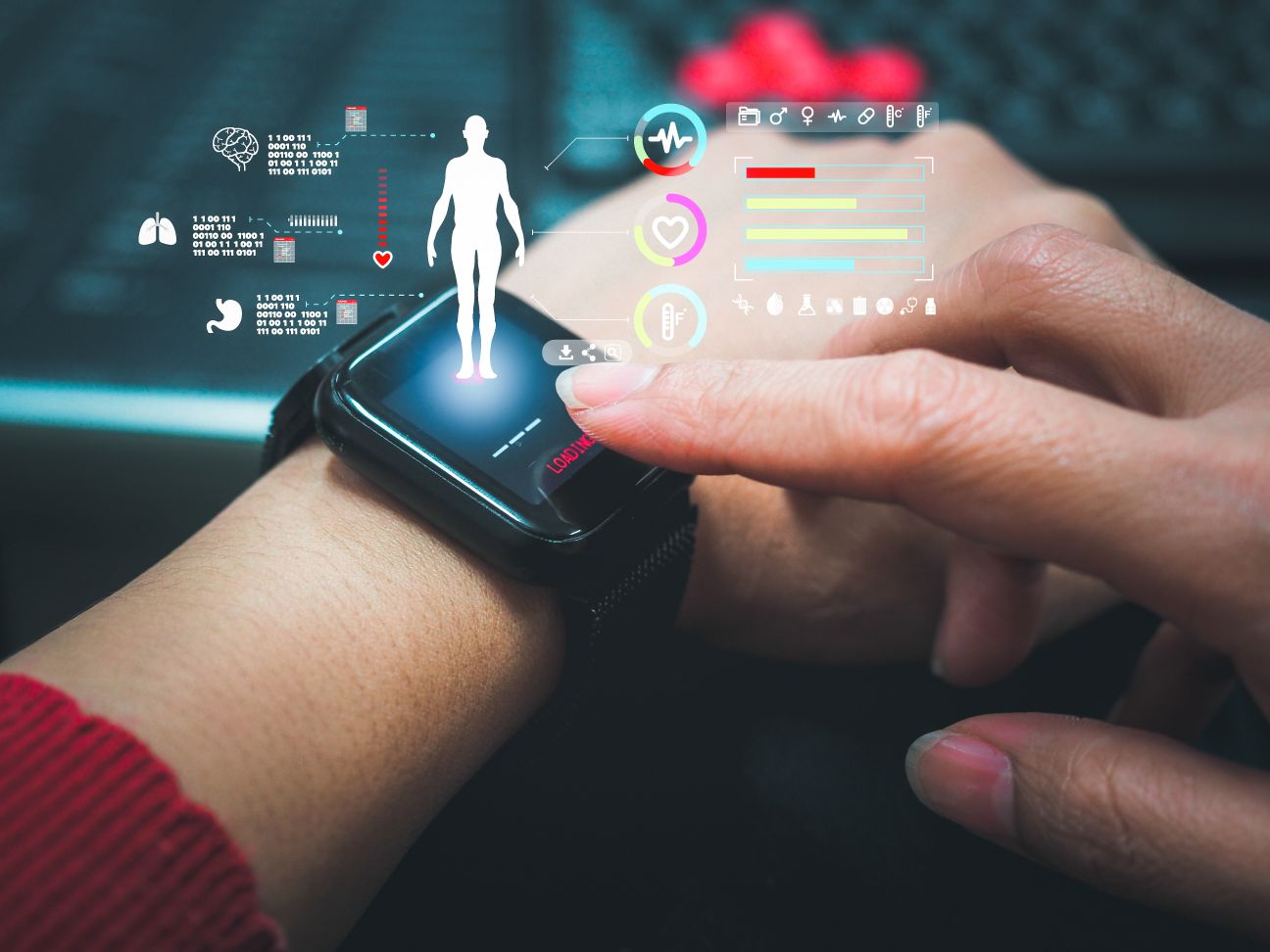
By Sumona Banerji, MDES, Guest Blogger
In this three-part series, we will explore neurotechnology and the future of cognitive security, as well as brain data manipulation and cyberpsychological laws and defenses.
Your phone tracks your location. Your smartwatch knows your heartrate and biometrics. Soon, technology will know us better than our doctors, and few laws are watching.
Let’s start with cognitive security.
Cybersecurity protects your network-connected devices. Cognitive security aims to protect your personal judgment from external manipulation. Most attackers do not “break in” in the traditional sense. They talk their way in past your emotional and mental defenses by pressing “buttons” like fear, urgency, and trust.
Now, meet neurotechnology.
The United Nations (UN) General Assembly has defined neurotechnology as any tool that measures or changes the nervous system. Doctors use it to help people recover their movement and communication. Now, this technology and the data it produces is also sold to consumers. For example, wearable EEG (electroencephalography) headsets promise better sleep, focus, and gaming potential. Sensors on your scalp pick up your brain’s electrical activity. This activity becomes neural data, information about how your nervous system works.
The UN calls it uniquely sensitive. “Your phone shows what you did. Your brain data may show how you felt while you did it.” Is this mind reading?
Not today. The UN report says neurotechnology cannot read minds yet, but it can reportedly infer emotions and internal reactions.
Research is pushing further. A new review in Trends in Neurosciences states decoders can already rebuild images people see or imagine, plus infer inner speech and intentions using currently collected neural data. AI technology is also speeding up this process.
Why should we care? Think about location data. It started as a map app feature. Then, it became a sellable product.
Brain data will likely follow the same path, with one big difference. Your location shows where you go. Neural data may show how you felt along the way. Scammers already hunt for the moment you feel tired, scared, or rushed. Now imagine a near future where they can buy your schedule and consumer devices still have little or no regulation to safeguard the data they collect.
Three important things to remember:
1. Neural data comes from your body’s control center. Treat it with more care than tracking a simple step count.
2. Consumer brain gadgets sit in a regulatory gray zone, which means your data can be used without much, if any, consent. Using the product often acts as your consent.
3. Before you use a smart device, ask: Where does my data go? Can I delete it? How long is it stored? Is there proof that the device measures what it claims?
As brain-sensing and biometric technology becomes more common, protecting your neural data should be a deliberate part of making informed decisions about the devices you use. Convenience and innovation are valuable, but they shouldn’t come at the cost of your privacy. Before putting a device on your body or in your home, make sure you understand what data it collects, who has access to that information, and how it may be used—both now and in the foreseeable future. Your data is personal. Treat it that way.
To read more about this topic, visit the MindShield website.
Sumona Banerji is a graduate student in Capitol Tech’s cyberpsychology program. Learn more about our degrees.