


How Regulations and Technology are Shaping the Future of Construction Safety
September 29, 2026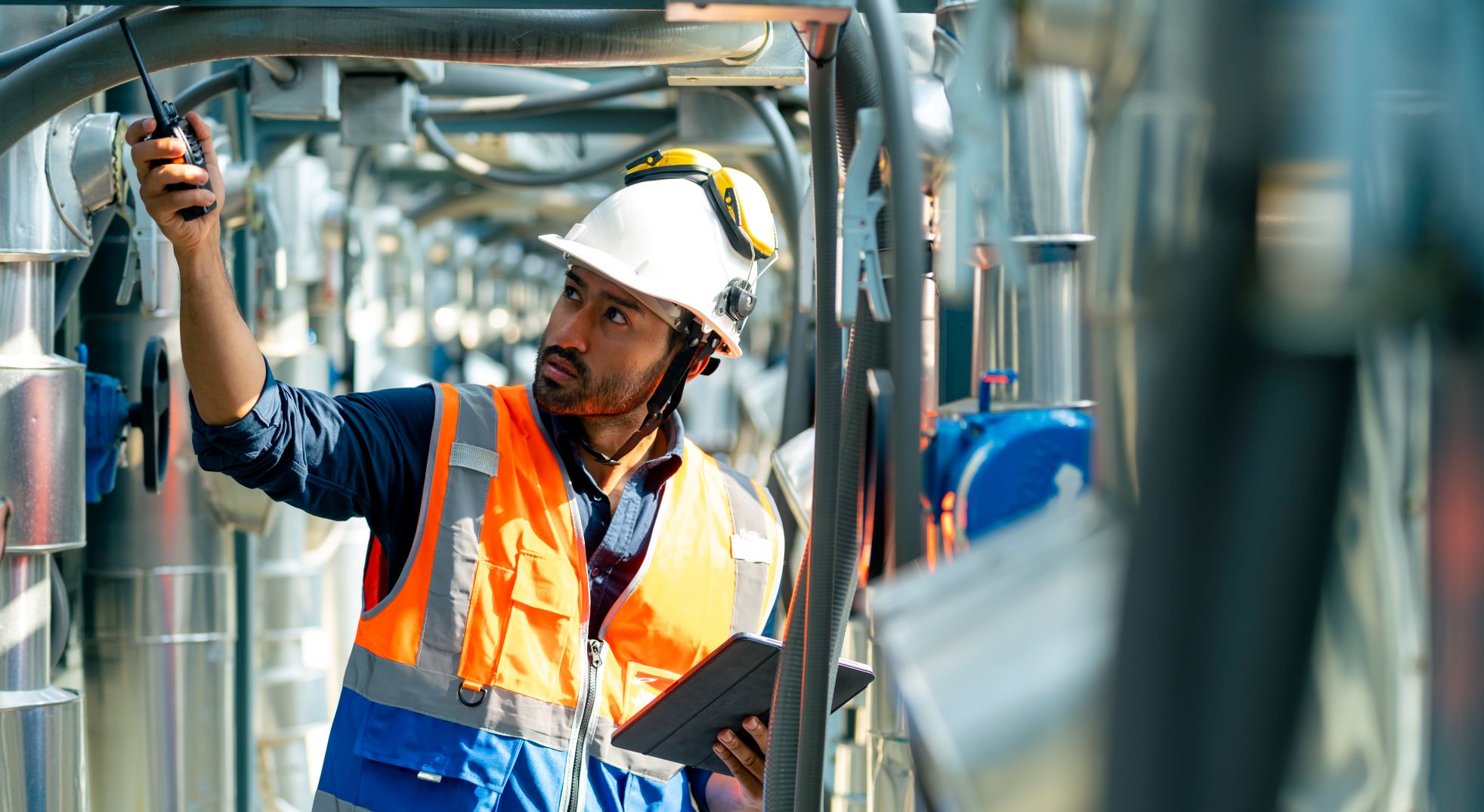
For more than 15 years, the construction industry has experienced significant workplace fatalities. Today, the industry faces renewed pressure to prioritize job-site safety, prevent accidents, and protect workers. Evolving regulations and technological advancements are helping drive this effort, reshaping the construction safety landscape while improving efficiency and innovation across diverse work environments. Together, these developments are creating opportunities for innovative professionals to help build a safer, smarter future for the construction industry.
Regulatory Changes Ensuring Better Protection for Construction Workers
The Occupational Safety and Health Administration (OSHA) has introduced new Personal Protective Equipment (PPE) standards in recent years. These standards emphasize the importance of properly fitting PPE for all workers, addressing the diverse needs of the modern construction workforce. This change aligns construction standards with general industry requirements, ensuring better protection for all workers.
Additionally, the ISO 19650 series, which focuses on construction data digitization, has undergone significant updates to encourage collaboration and improve project outcomes through efficient data management and Building Information Modeling (BIM) practices. These global standards are driving the industry towards more sustainable and efficient practices.
And there are some hopeful signs of progress. In 2024, statistics indicate that construction's rate of nonfatal injuries and illnesses fell to 2.2 cases per 100 full-time workers, down from 2.3 in 2023, while construction fatalities also declined. Yet the construction industry remains significantly more dangerous than the overall workforce, underscoring the continued need for stronger safety practices, technology implementation, and training.
Harnessing New & Safer Technologies in Construction
One of the most notable technological advancements in construction safety is the adoption of wearable safety devices. Smart helmets, vests, and wristbands equipped with sensors track workers' vital signs and environmental conditions in real-time. Exosuits, or wearable suits with motorized joints, are designed to offer enhanced strength, stability, and protection while performing particularly strenuous tasks.
The construction industry is increasingly recognizing the importance of monitoring workers' mental health and physical fatigue as well. Mental health concerns, including stress, anxiety, and depression, are prevalent in the industry due to high-stress environments, long work hours, and the physical demands of the job. Wearable devices now include features to monitor stress levels and fatigue. This holistic approach to worker well-being prioritizes both physical and mental health, leading to a safer and more productive work environment.
Many of these wearable tools are powered by AI systems that can analyze data and identify potential hazards, while alerting supervisors to potential risks and enabling timely interventions. For example, computer vision technology can detect unsafe working conditions and noncompliance with safety protocols, while predictive analytics can anticipate potential risks over time and enable proactive interventions.
Virtual and augmented reality (VR/AR) training programs are also gaining traction. These programs simulate hazardous situations, allowing workers to practice risk recognition and response in a safe, controlled environment. By equipping workers with the skills to handle dangerous situations on a virtual platform, this training translates to safer actions on real-life construction sites.
The Future of Construction Safety
Construction safety is moving beyond traditional approaches that focus primarily on responding to incidents after they occur. Regulations are placing greater emphasis on worker protection, while digital tools are giving companies new ways to identify hazards, manage safety information, and train workers before they encounter dangerous situations.
At the same time, technology introduces new challenges. Construction companies must consider data privacy, cybersecurity, worker acceptance, technology costs, and the accuracy of AI-based monitoring systems. The most effective safety strategies will likely combine technology with strong safety leadership, training, communication, and established workplace practices.
For students and professionals entering the field, this shift creates opportunities to work at the intersection of construction, engineering, technology, data, and occupational safety. The construction safety professionals of the future will not simply respond to hazards—they will help design the systems, technologies, and processes that prevent them.
Construction Education at Capitol Tech
Capitol Technology University’s Bachelor of Science in Construction Management prepares students for the evolving industry through hands-on projects, technology, management, and safety. Graduates gain the technical expertise, leadership, and problem-solving skills needed to pursue careers in construction management, safety, technology integration, compliance, and other fields shaping the future of the built environment.