


Preventing Pilot Burnout: Building a Healthier Aviation Workforce
October 23, 2026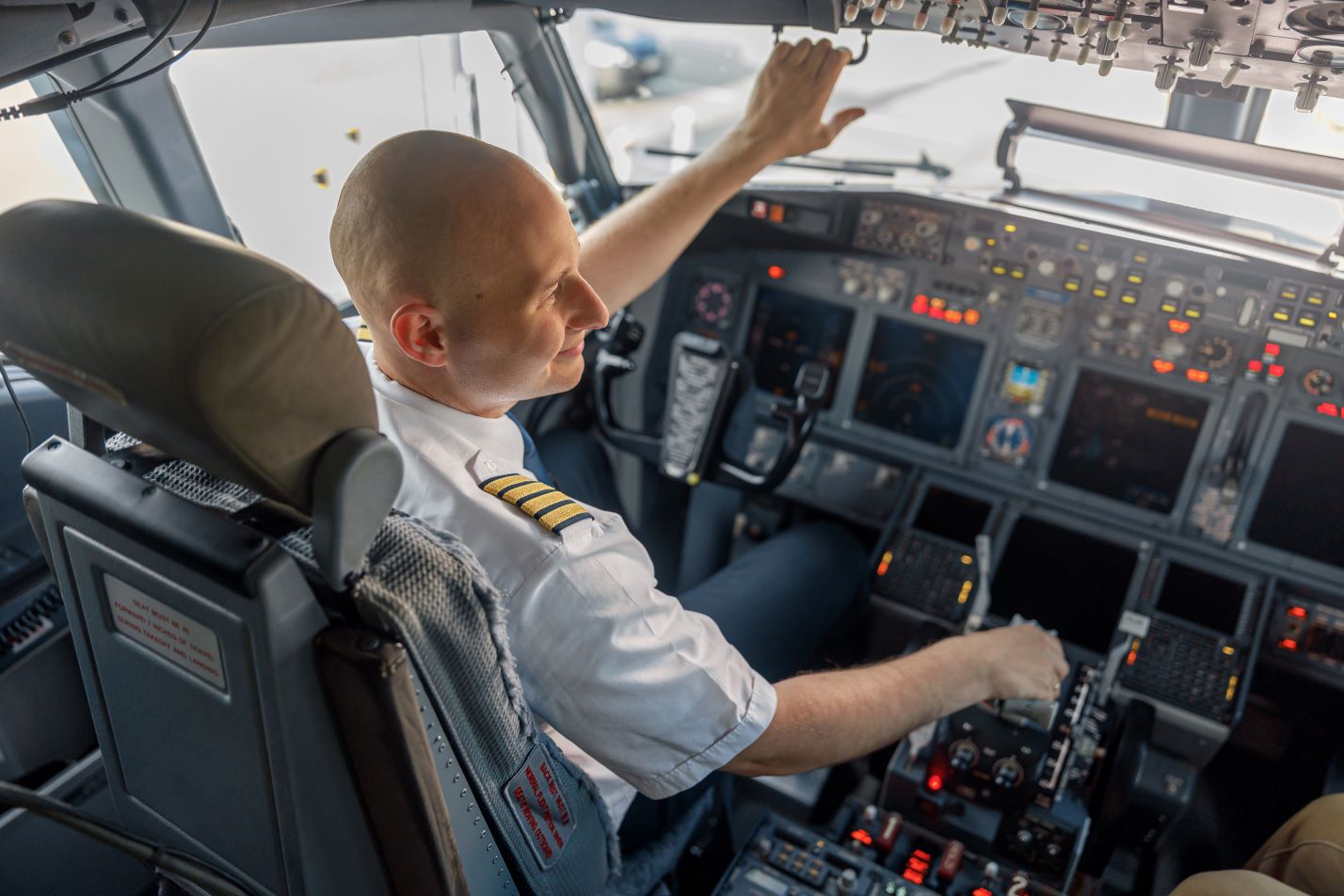
Piloting is an exciting, rewarding, and highly respected career path for aviation professionals. However, it also demands significant commitment and carries immense responsibility. Long working hours, irregular schedules, and the constant pressure to maintain the highest safety standards can contribute to burnout—a serious concern that threatens both the physical and mental well-being of pilots and aviation professionals, as well as the overall safety of flight operations. As global demand for pilots continues to grow, recognizing, preventing, and addressing burnout has become increasingly essential to ensuring a healthy, resilient, and safety-focused aviation workforce.
Understanding the Challenges of Piloting
Although they are highly trained and experienced flight leaders, pilots operate in a high-stakes environment where even minor errors can have major, life-threatening consequences. According to a Frontiers in Public Health study, pilots report high levels of stress due to disrupted sleep, long hours, and limited access to mental health support.
Notably, pilot fatigue has been cited in nearly 30% of aviation accidents over the past two decades, and the number of pilots that have reported being too fatigued to work has skyrocketed in recent years. Despite regulations, many pilots indicate that they still fly while tired due to staffing shortages and tight schedules.
Mental health is another critical issue. Through a psychological assessment, more than half of pilots tested showed some prevalence of depression, with 10% of pilots meeting the threshold of clinical depression. However, the social stigma around mental health and fears of potential reprimand often prevents many pilots from seeking help.
This silence can be dangerous. Mental health issues can impair judgment, decrease focus, and slow reaction time. Fortunately, some airlines are beginning to shine more light on mental wellness. For example, WestJet appointed a Chief Medical Officer to lead mental health initiatives for its staff. “Untreated and unreported mental health issues are a prominent and a latent hazard in our aviation system,” said Quay Snyder, president and CEO of Aviation Medicine Advisory Service.
The Pilot Shortage Leads to New Education Pathways
The global pilot shortage is intensifying this problem. Nearly 700,000 new pilots are needed over the next 20 years to meet the growing demand for air travel, according to Boeing’s long-term forecast. This shortage is forcing current pilots to take on more flights and longer shifts, increasing their risk of burnout.
The pilot shortage is driven in large part by high training costs, mandatory retirement ages, and a slow training pipeline. New aviation training, degree programs, and airline-specific flight schools are addressing this shortage by offering more streamlined educational pathways to piloting.
Practical Tips to Prevent Pilot Burnout
Preventing burnout requires both personal strategies and systemic change. Here are some practical tips the aviation industry is encouraging for pilots and aviation professionals:
- Prioritize Sleep and Recovery: Follow fatigue risk management guidelines and avoid back-to-back long-haul flights when possible.
- Use Mental Health Resources: Seek confidential counseling or peer support programs. Many airlines now offer Employee Assistance Programs (EAPs).
- Set Boundaries: When off duty, disconnect from work-related communication to recharge.
- Stay Informed: Keep up with industry changes, such as new FAA regulations or airline policies that may affect your schedule or workload, as well as OSHA safety and health standards that may apply.
Burnout is a real and growing concern in aviation, but it’s not inevitable. With the right resources, support, and awareness, pilots can build long, healthy, and successful careers.
The Future of Aviation and Piloting
Despite these challenges, piloting remains a rewarding and prestigious career. Pilots benefit from high earning potential, travel opportunities, and the satisfaction of mastering complex systems. According to the Bureau of Labor Statistics, as of May 2025, the median annual wage is approximately $232,140 for airline pilots, copilots, and flight engineers.
Moreover, the demand for pilots continues to grow. Airlines are investing heavily in training programs to attract new talent and reduce the strain on current staff. This is creating opportunities for aspiring pilots to enter the field with better support systems in place as technology, staffing, and standards evolve.
Aviation Education at Capitol Tech
To help grow the future aviation workforce, Capitol Technology University’s Bachelor of Science in Aviation Professional Pilot offers hands-on flight training and a firm foundation in flight operations, airport and ground control operations, safety and risk management, and Federal Aviation Administration (FAA) rules and regulations.
Located near Baltimore, MD and Washington, DC in one of the busiest Class B airspaces in the world, you’ll be prepared to fly globally by training in and out of the DC Special Flight Rule Area (SFRA). Capitol Tech is officially authorized to certify graduates for a FAA-Authorized Restricted Airline Transport Pilot (R-ATP) Training Program with 1,000 total flight hours—a 500-hour reduction from the standard 1,500-hour requirement. Graduates of the program are set on the fast track for a variety of aviation careers with flight expertise, technical skills, and FAA certification.
To learn more, contact our Admissions team or request more information.