


The Transformative Role of Quantum Computing in Aviation and the Aerospace Industry
June 25, 2026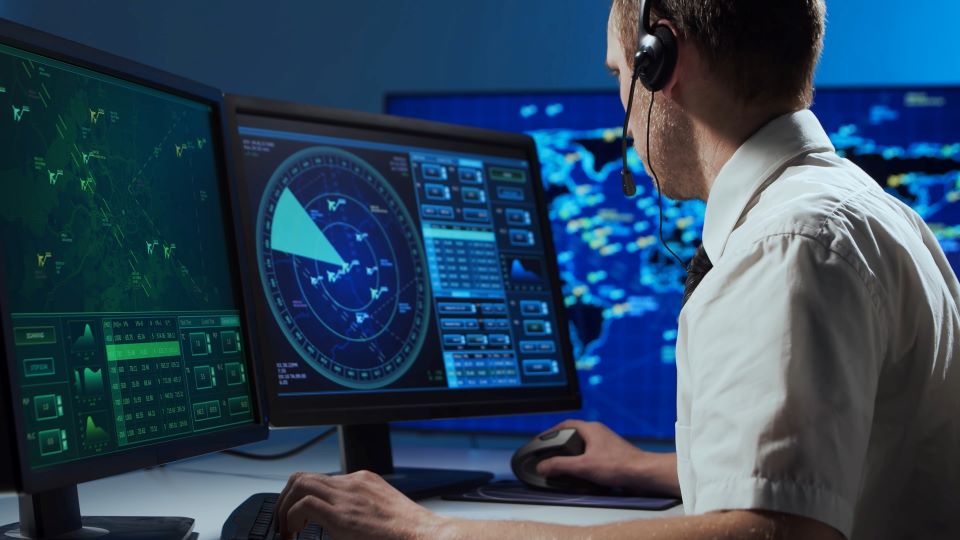
When you think of quantum computing, aerospace is probably not the first thing that comes to mind. But, according to a report from OpenPR, these fields have a lot in common. The Quantum Computing Aerospace Defense Market is valued at $2.73 billion in 2023 and is expected to nearly triple by 2032. That growth is driven by companies like Airbus, IBM, and NASA, which are exploring ways to use quantum computing to improve everything from flight safety to sustainability.
With the expansion of quantum computing, the aviation industry is set for incredible changes that will transform how we fly—from airplane design, flight planning, cybersecurity, and more.
Quantum Computing as Part of Aircraft Design
Part of designing an aircraft involves simulating computational fluid dynamics (CFD), which involves how air flows around the plane. These simulations require massive computing power, especially when engineers are testing complex designs for wings, engines, and body structures.
Airbus is collaborating with the quantum computing firm, Oxford Ionics, and simulation software provider, Quanscient to accelerate these simulations, which are crucial for determining factors like lift, drag, noise levels, and fuel efficiency. Traditional simulations can take months and consume vast amounts of energy. Quantum computers can process multiple possibilities at once, reducing these simulations to mere hours with significantly less power consumption. Ultimately, these collaborations could result in lighter, more fuel-efficient planes that produce fewer emissions—a critical factor for an industry that produces 2.5% of all global emissions.
“Powerful quantum computers are poised to radically transform how we approach complex computational challenges like CFD,” said Dr. Chris Ballance, Oxford Ionics co-founder and CEO.“The question is no longer if, but when, we’ll see this value unlocked.”
Airbus also recently held its Quantum Computing Challenge, inviting researchers to develop quantum solutions for aircraft climb optimization—a key phase of flight that impacts fuel use and engine performance of liftoff ascent profiles. This kind of work could shorten the design cycle and allow companies to test and improve more sustainable aircraft faster than ever before.
Computing for Smarter, Safer Flight
Modern aircraft are essentially flying computers. They rely on software to manage everything from communication systems to engine performance. This makes cybersecurity a top priority—especially as threats grow more sophisticated. Through quantum encryption or quantum key distribution, aerospace information could be shared in a way that’s virtually impossible to hack. IBM is working with defense and aerospace partners to explore how quantum encryption could protect sensitive data in flight and during military operations. These advances could secure everything from cockpit systems to satellite communication links.
Flight planning is also a puzzle that involves balancing multiple factors: weather, air traffic, turbulence, fuel use, and arrival times. Today’s systems rely on classical computers to crunch the numbers, but quantum computing could soon handle this task with far greater speed and precision. Aerospace companies are investigating how quantum algorithms can optimize navigation systems by considering real-time variables like sudden weather changes or traffic congestion in the sky. These tools could support pilots in adjusting flight paths quickly and safely, helping airlines avoid delays, reduce fuel consumption, and lower costs.
Additionally, quantum computing could play a role in air traffic control. Soon, quantum-enhanced models may help workers manage thousands of aircraft at once, predicting potential conflicts and rerouting planes with remarkable efficiency.
Quantum computing has potential in the hangar and the classroom as well. Engineers are exploring the use of quantum simulations to test how parts wear out under stress, helping to predict when repairs are needed before something breaks. Meanwhile, pilot training is poised to be transformed by quantum-powered simulators that mimic real-world conditions with much more detail. These tools could create more effective training programs that prepare pilots for rare or dangerous situations with greater realism and precision.
Aviation and Quantum Computing at Capitol Tech
As quantum technology advances, the aviation industry is evolving alongside it. Emerging applications of quantum technologies—including ultra-precise navigation systems, enhanced aircraft communications, advanced weather forecasting, and optimization of air traffic management—have the potential to transform how aircraft operate and how airspace is managed. At Capitol Technology University, our Aviation programs prepare students to lead in this rapidly changing field while navigating new technologies in quantum, cybersecurity, and engineering. Students will learn how to safeguard avionic systems, space assets, and communication networks from increasingly sophisticated threats. Whether pursuing a career as a pilot, aircraft technician, air traffic controller, or business manager, students gain the skills to help protect avionics systems, commercial assets, and critical communication networks from increasingly sophisticated threats. Through in-flight experience, access to our Flight Simulator Lab, and mentorship from expert faculty, you’ll build the knowledge and skills needed for a successful and rewarding career in aviation.
To learn more, contact our Admissions team or request more information.