


NASA Force: A New Hiring Initiative to Jumpstart the Aerospace Workforce
April 21, 2026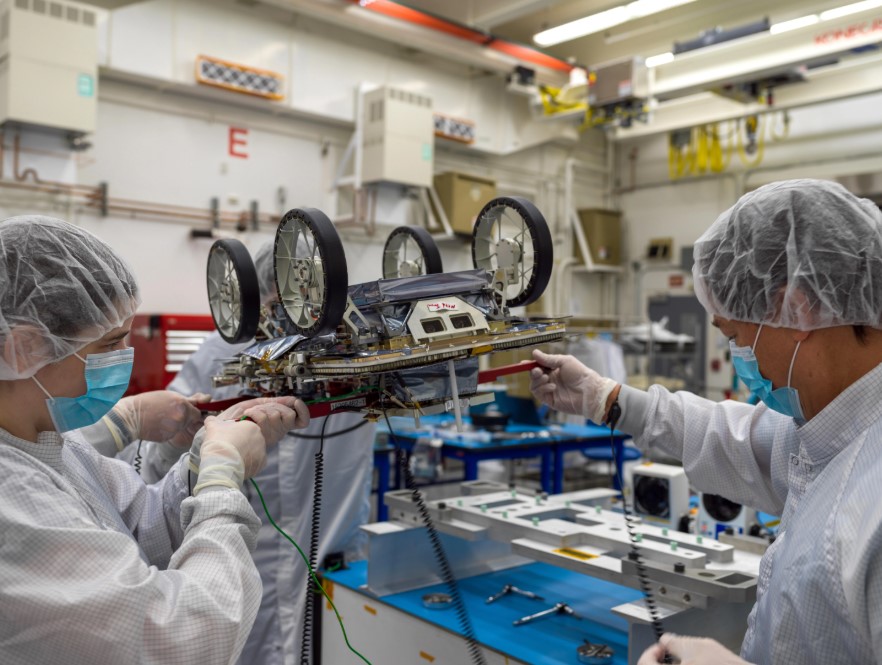
NASA has launched a new hiring initiative, NASA Force, taking a bold step toward building the next generation of aerospace talent. This initiative is designed to streamline recruitment, expand outreach, and attract highly skilled professionals across astronautical engineering and adjacent disciplines.
NASA Force reflects the evolving aerospace landscape and need for talented employees. The initiative emphasizes a more targeted pipeline for interested professionals, as well as building a resilient, future-focused workforce.
The NASA Workforce
NASA has evolved significantly since its origins in the late 1950s, reflecting broader social, political, and technological changes in the United States. In the decades since, NASA has continued to invest in STEM education programs, university partnerships, and internships to cultivate future talent. Through new strategies such as short-term recruitment programs and partnerships with the private sector, NASA is able to strengthen its workforce for future missions.
NASA hires for an exceptionally wide range of roles. While astronauts are the most recognizable position, NASA develops vast teams of aerospace engineers, astrophysicists, planetary scientists, and computer scientists who design spacecraft, analyze data, and develop software. Technicians assemble, test, and maintain complex hardware, along with mission controllers who monitor flights in real time. NASA also employs specialists in robotics, artificial intelligence, and communications, as well as safety experts who ensure missions meet rigorous standards. Supporting these technical roles are professionals in fields like project management, education outreach, human resources, and procurement—all of whom work together to sustain successful operations.
Becoming Part of NASA Force
According to NASA, the agency is seeking “highly skilled early- to mid- career engineers, technologists, and innovators are invited to join NASA for focused term appointments, typically 1–2 years with the possibility of extension, to solve complex challenges and help maintain U.S. leadership in air and space.”
Participants in NASA Force will:
- Contribute to high-impact projects that advance NASA’s mission
- Collaborate with industry partners and engage with leaders at the forefront of technology innovation
- Engage in learning experiences that deepen technical expertise and broaden your perspective
- Support knowledge sharing and mentorship across the NASA workforce
Projects may include:
- VIPER lunar rover operations
- Deep space logistics
- Development of NASA Spaceport 2.0
- Orion real-time operating system and core flight software
- Curation of lunar and astro-materials samples
- In-situ resource utilization (ISRU) plant development for a sustainable lunar outpost
- Propulsion systems support across the Commercial Crew Program, Launch Services Program, and Artemis
NASA Force opportunities will be posted on the USAJOBS website as they become available. The first opportunity for an Aerospace Engineer position is now open and accepting applications through April 21. All applications must be submitted via USAJOBS, the federal government’s official employment site.
Astronautical Engineering at Capitol Tech
Capitol Technology University has built a strong reputation in developing curriculum that aligns directly with NASA’s workforce needs through the astronautical engineering program. This program equips students with practical skills in spacecraft design, build, test, operations and data analysis, as well as in key technologies areas such as propulsion, satellite communication, orbital mechanics, satellite payload design, mission planning, and more—all of which are critical to NASA’s current and future projects.
Through contributions to NASA research, expert-informed curriculum, and capstone projects, students gain experience with real-world, innovative solutions to address the challenges of the growing space industry. These experiences position graduates as highly competitive candidates for programs like NASA Force. Students are not just learning about space missions—they are actively contributing to the technologies and concepts that may shape them.