


Cyberattacks on Supermarket Refrigeration Highlight Growing Need for Greater Industrial Cybersecurity
October 19, 2026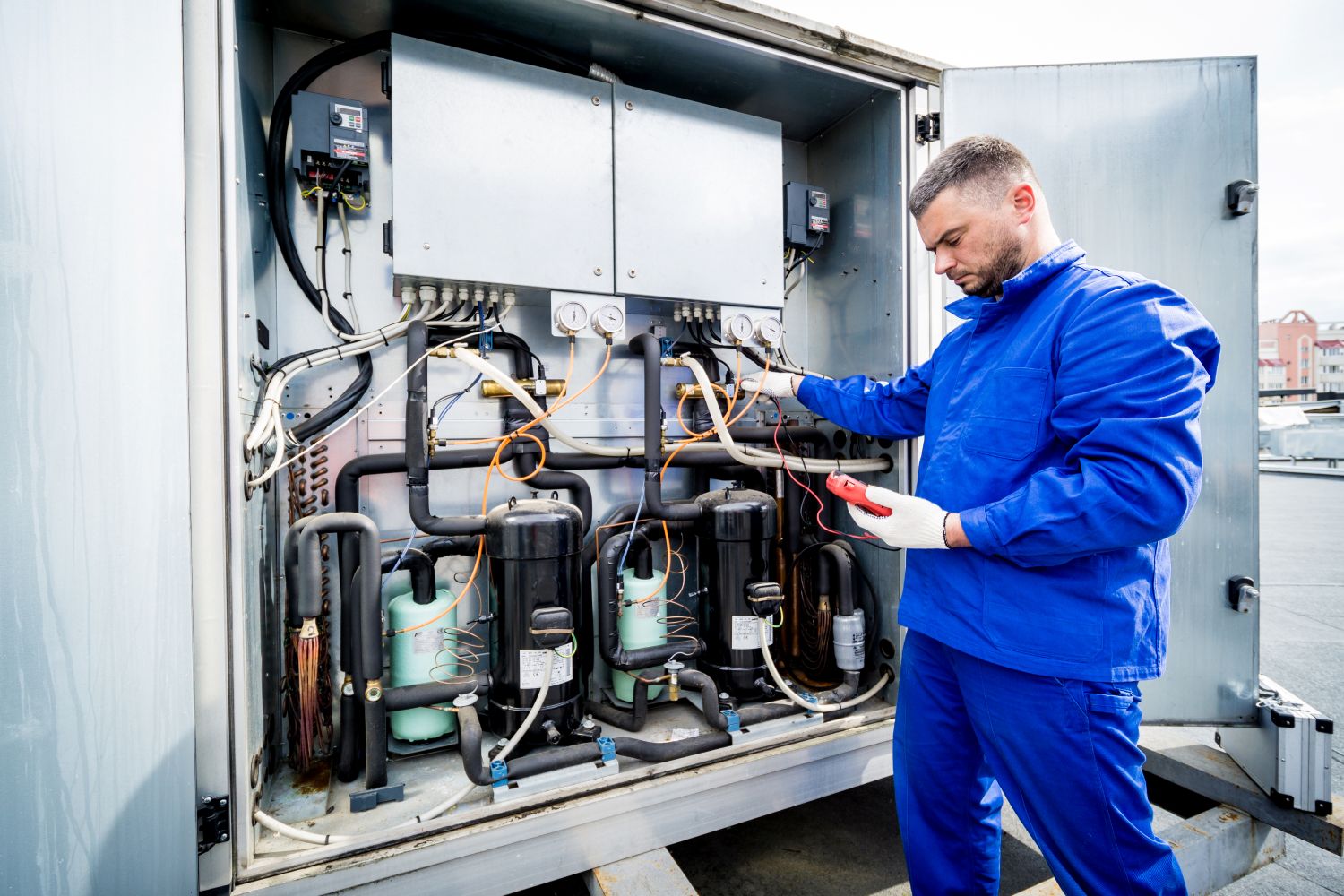
Recently, hundreds of French supermarkets experienced elevated temperatures in their refrigerated sections after a mass cyberattack disrupted appliance controllers through internet-connected networks. The attack resulted in significant food spoilage, lost revenue, and even dangerous fires, underscoring a growing concern in industrial cybersecurity. As industrial systems become increasingly connected to the internet, understanding and implementing robust cybersecurity measures is essential to protecting critical infrastructure, ensuring operational safety, and preventing costly disruptions.
A Case for Industrial Cybersecurity
Overnight on October 11–12, 2026, a cyberattack disrupted refrigeration systems at hundreds of supermarkets across France, affecting several major grocery chains. The attackers manipulated internet-connected refrigeration controllers, causing temperatures in some units to rise to 122°F (50°C) or higher. As a result, affected stores were forced to discard fresh and frozen products due to food safety concerns, resulting in notable financial and reputational losses. Fires were also reported in connection with the incident. The Paris prosecutor’s office has opened an investigation into the attack.
The affected refrigeration equipment included systems made by Danish manufacturer Danfoss, which said that most of the affected units were legacy products that had reached end-of-life and no longer received software or security updates. Other units were running outdated firmware. Cybersecurity researchers identified that 2,765 Danfoss AK-SM 800A refrigeration controllers were exposed to the public internet, with approximately 1,600 of them in France.
This incident highlights the growing cybersecurity risks associated with both modern and legacy internet-connected industrial control systems, as well as a need for secure remote access, timely firmware updates, network protection, and replacement of unsupported equipment.
How Industrial Cybersecurity is Being Targeted
Refrigeration systems may be a new addition to the growing list of industrial cyberattack targets, but the underlying threat is far from new.
In 2026, the FBI and EPA warned that attackers were targeting internet-facing controllers. The wave began when more than 30 Minnesota water systems were hit in a coordinated strike. Facilities in at least seven states reported disruptions across the U.S. In some cases, attackers changed controller addresses and passwords, locking operators out of equipment that kept running. Crews had to run pumps by hand until their controls returned. And this wasn't the first time something like this had happened. In 2023, Iran-linked hackers took over a booster station at a Pennsylvania water authority through a controller that was exposed to the internet while still using a default password.
In 2021, a malicious actor used remote-access software to reach a water treatment plant in Oldsmar, Florida, and pushed lye settings from about 100 to 11,100 parts per million. An operator monitoring the system was able to quickly respond, reversing the change within minutes. Investigators pointed to weak passwords and an outdated Windows 7 system in this instance.
Food supply chains have felt it, too. A 2023 attack forced Dole to pause some North American production and shipments, and a 2021 attack on JBS ended in an $11 million ransom. In 2025, ransomware at distributor UNFI shut down 52 distribution centers and left some store shelves bare.
How Hackers Attack Operational Technology
Operational technology (OT) is the hardware and software used to monitor, control, and automate physical processes. Examples include industrial control systems, programmable logic controllers (PLCs) that operate valves and pumps, and networked sensors and monitoring devices. Much of this infrastructure was built for reliability, safety, and long service life rather than today’s evolving cybersecurity threats. As a result, many legacy systems lack the security features needed to withstand modern cyberattacks and were not designed to be directly connected to the internet.
Increasingly, equipment that once operated in isolated industrial environments is becoming accessible through internet-connected remote monitoring and management systems. While this connectivity improves visibility and operational efficiency, it also expands the potential attack surface. Cybercriminals may exploit unpatched software, weak or default credentials, insecure remote-access mechanisms, and poorly segmented networks to gain unauthorized access to OT environments, potentially disrupting physical processes, damaging equipment, or compromising safety.
Protecting Industrial Cybersecurity
Layering cybersecurity can bolster defenses, while continuous monitoring catches unusual behavior early. Vulnerability management finds and retires outdated systems before attackers do. Restrictions on access and multifactor authentication help ensure there are safeguards against mal-actors. Segmentation keeps operational equipment separate from business networks, so one breach doesn’t spread, and an incident response plan shortens recovery. Secure design builds-in those protections from the start.
Industrial cybersecurity takes people who understand both the network and the machine, across computer science, cybersecurity, electrical engineering and industrial automation. For those entering the field, it’s about protecting both data and what that data controls.
These practices matter for organizations of every size, although their resources and challenges may differ. Smaller businesses often work within limited budgets and staffing, where tailored strategies like patch management and regular security assessments can make a big difference. Small businesses also face the large, hidden costs of cyberattacks, where outdated software and thin support raise the risk.
Larger organizations may have greater resources to invest in cybersecurity and incident response, but they are not immune to significant financial and operational damage. Beyond the immediate costs of an attack, a security breach can undermine customer trust, damage brand reputation, disrupt operations, and expose the organization to regulatory penalties and legal liabilities. Ultimately, effective cybersecurity is not simply a matter of company size or budget—it requires a proactive, risk-based approach tailored to an organization’s infrastructure, resources, and potential exposure.
Cybersecurity at Capitol Tech
Capitol Technology University's ABET accredited Bachelor of Science in Cybersecurity program equips students with practical skills and technical knowledge to identify threats, protect critical systems, and respond to evolving cyberattacks. Coursework spans risk management, vulnerability assessment, digital forensics, malware analysis, penetration testing, and incident response.
Designated as a National Center of Academic Excellence in Cyber Defense since 2003, and celebrating its 25th anniversary in cybersecurity, Capitol Technology University is preparing the next generation of cyber professionals to lead, innovate, and defend against evolving digital threats.
Explore what a degree from Capitol Tech can do for you! To learn more, contact our Admissions team or request more information.
Written by Jordan Ford
Edited by Erica Decker