


Why Legacy Technology Still Runs Critical Parts of the Modern World
September 1, 2026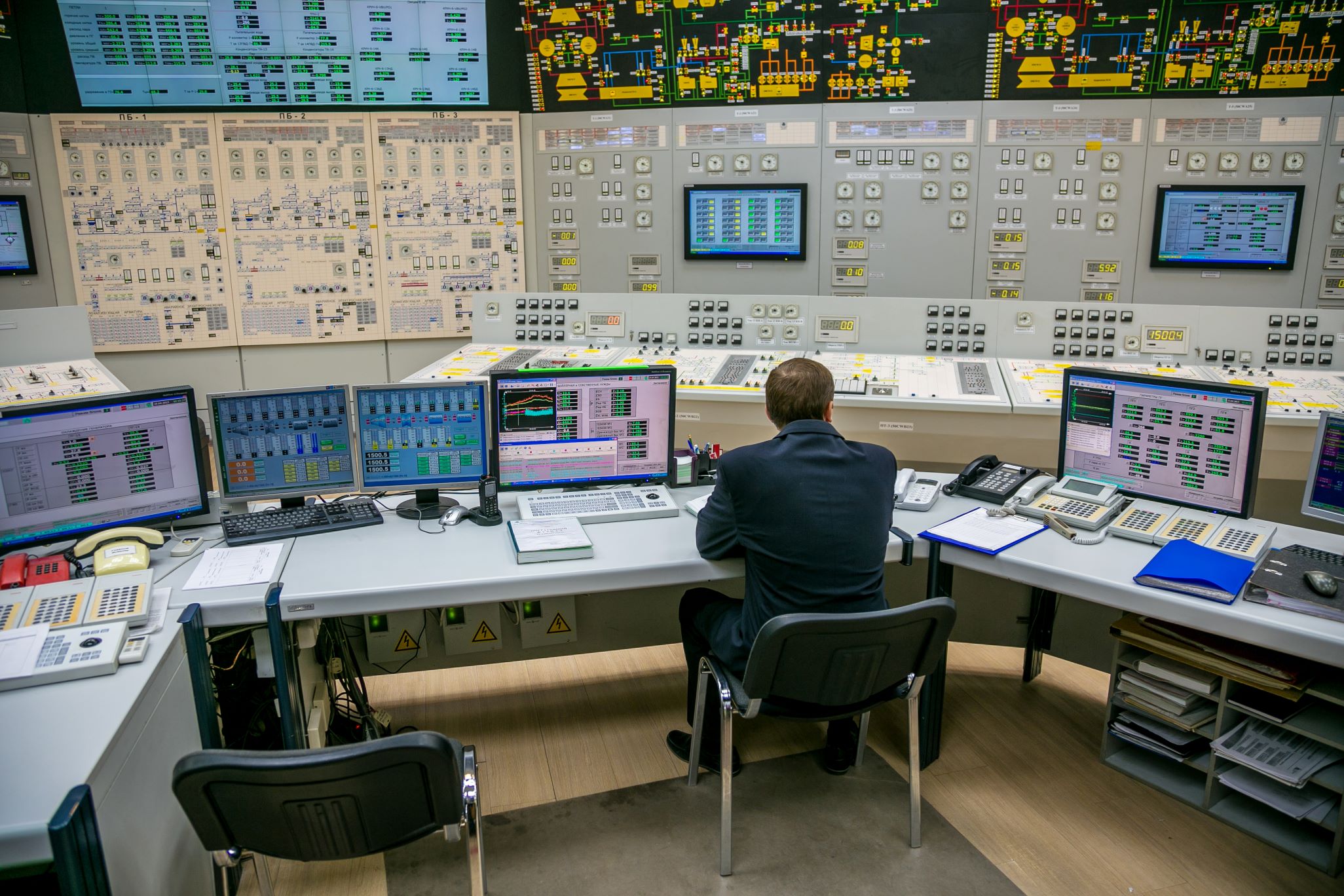
While headlines heavily focus on next-generation technology, a striking share of the world's infrastructure still depends on legacy tech from decades ago. For example, Common Business Oriented Language (COBOL) code written in the 1980s still processes the majority of ATM transactions worldwide, and many over 25-year-old core banking platforms continue to move billions of dollars every day. And that is just within the financial industry.
Across nearly every sector today, critical operations still rely on legacy systems, creating a growing need for professionals who can maintain, modernize, and secure the technology that keeps these industries running.
What is Legacy Technology?
Legacy technology refers to older hardware, software, or computer systems that an organization continues to use even though newer technologies are available. These systems are often kept because they are reliable and deeply integrated into existing operations, expensive to replace, or difficult to migrate away from.
A “legacy system” meets one or more criteria: its manufacturer stops issuing updates or security patches, it relies on programming languages few current developers know, or it can no longer connect to modern cloud platforms and APIs. Rather than age, it’s defined by an antiquated functionality. A well-documented, actively maintained older system can carry a very different risk profile than a newly implemented one.
In industries where transitions carry real consequences, stability and continuity tend to outweigh the urgency of innovation. Older platforms have already survived their most failure-prone years, and their behavior is well understood by the seasoned engineers who maintain them. By contrast, a new system can arrive with unknown glitches and untested integration points. This is a tradeoff many organizations avoid with legacy systems that need to keep hospitals, power grids, and financial networks running without interruption.
The Price of Aging Critical Legacy Systems
Replacing a core system requires much more than a hardware swap. Enterprise IT teams spent an average of $2.7 million in 2024 upgrading legacy technology, much of it aimed at reducing risk rather than adding new capability. Total spending tied to legacy maintenance and technical debt runs into the trillions annually across the U.S. economy. Adding in retraining, rewriting custom code, and testing against decades of edge cases quickly makes migration one of the riskiest projects an organization can undertake.
A particularly striking example is seen with the Federal Aviation Administration, which still relies on dozens of aging information systems to help manage U.S. air traffic and aircrafts. In 2024, the FAA determined that 51 of its 138 air-traffic-control systems were “unsustainable,” citing issues such as outdated functionality and difficulty obtaining replacement parts. Some of these systems are 30 years or older.
The interesting part is the cost of keeping them versus replacing them. One FAA legacy system, known as System 8, was first implemented in 1993 and costs about $17.9 million per year just for program-management operations; that figure doesn't even include its technical operating costs. The FAA is currently modernizing it, with completion planned for 2030, but the agency has not yet calculated the total modernization cost. Its broader NextGen air-traffic modernization program had spent more than $14 billion through 2022, with the government and industry previously estimating at least $35 billion through 2030.
And modernization isn't simply a matter of buying newer computers. Engineers have to understand decades-old software, preserve critical functions, integrate new technology, improve cybersecurity, and transition systems without disrupting current operations.
While modernizing legacy systems has a real price, the harder cost to quantify is knowledge transfer. Many legacy systems were built and modified by engineers who have since retired, leaving behind code that works but isn't documented in a way anyone can fully interpret. Formal methods for assessing legacy systems remain in their early stages, which makes reverse-engineering undocumented platforms a genuine barrier to evolving them responsibly.
Are Aging Infrastructures Less Secure?
Generally, aging infrastructure is more susceptible to hacking, especially when older systems are connected to modern networks. Older systems may use outdated software that no longer receive security updates, as well as legacy protocols that were designed before cybersecurity became a major concern. There can be more difficulty in monitoring these systems as they may lack modern logging instances, intrusion detection, and security controls.
Some older equipment may also be unsupported by manufacturers, making it difficult to fix security vulnerabilities. In addition, organizations may continue using outdated systems because replacing them can be expensive and complicated.
Legacy infrastructure was identified as the most common factor behind cyber incidents at utilities organizations in a 2026 critical infrastructure security report. The pattern showed up across energy, water, and manufacturing sectors alike.
However, age alone does not determine how vulnerable infrastructure is to cyberattacks. An older system that is well-maintained, isolated from the internet, and protected by strong security measures can be safer than a newer system that is poorly configured. Network segmentation, restricted access, and continuous monitoring can meaningfully reduce risk even on systems that can't be patched conventionally.
Legacy System Modernization Needs Skilled Professionals
Organizations rarely replace legacy systems all at once. Many favor gradual approaches instead, such as lifting an application onto new infrastructure without rewriting it, refactoring code piece by piece, or using a strangler fig pattern that builds new functionality around the edges of an old system until it can be retired safely. These lower-risk paths let critical operations keep running throughout the transition.
Modernization plans run into the same wall almost everywhere. Not enough people understand both the old technology and the security practices needed to protect it. Specialists who can bridge operational technology and cybersecurity command high salaries, reflecting an in-demand yet small talent pool as internet-exposed industrial devices multiply and legacy skills retire out of the workforce.
Secure Engineering at Capitol Tech
In most cases, legacy technology remains in place because it has proven both stable and reliable, and replacing it can introduce significant cost and operational risk. But as documentation disappears, vendor support ends, and experienced employees retire, maintaining these systems becomes increasingly complex. The organizations managing this challenge effectively need professionals who understand both legacy and modern technologies—people who can strengthen security, modernize aging systems, and keep critical infrastructure running.
For students drawn to this kind of problem-solving, Capitol Technology University's BS in Secure Engineering of Operational Technology and Systems is designed to bridge that gap, preparing engineers to maintain, modernize, and secure the systems society depends on.
Explore what a degree from Capitol Tech can do for you! To learn more, contact our Admissions team or request more information.
Written by Jordan Ford
Edited by Erica Decker