


Why Protecting Electrical Power Systems is Critical for Industry Efficiency
January 30, 2026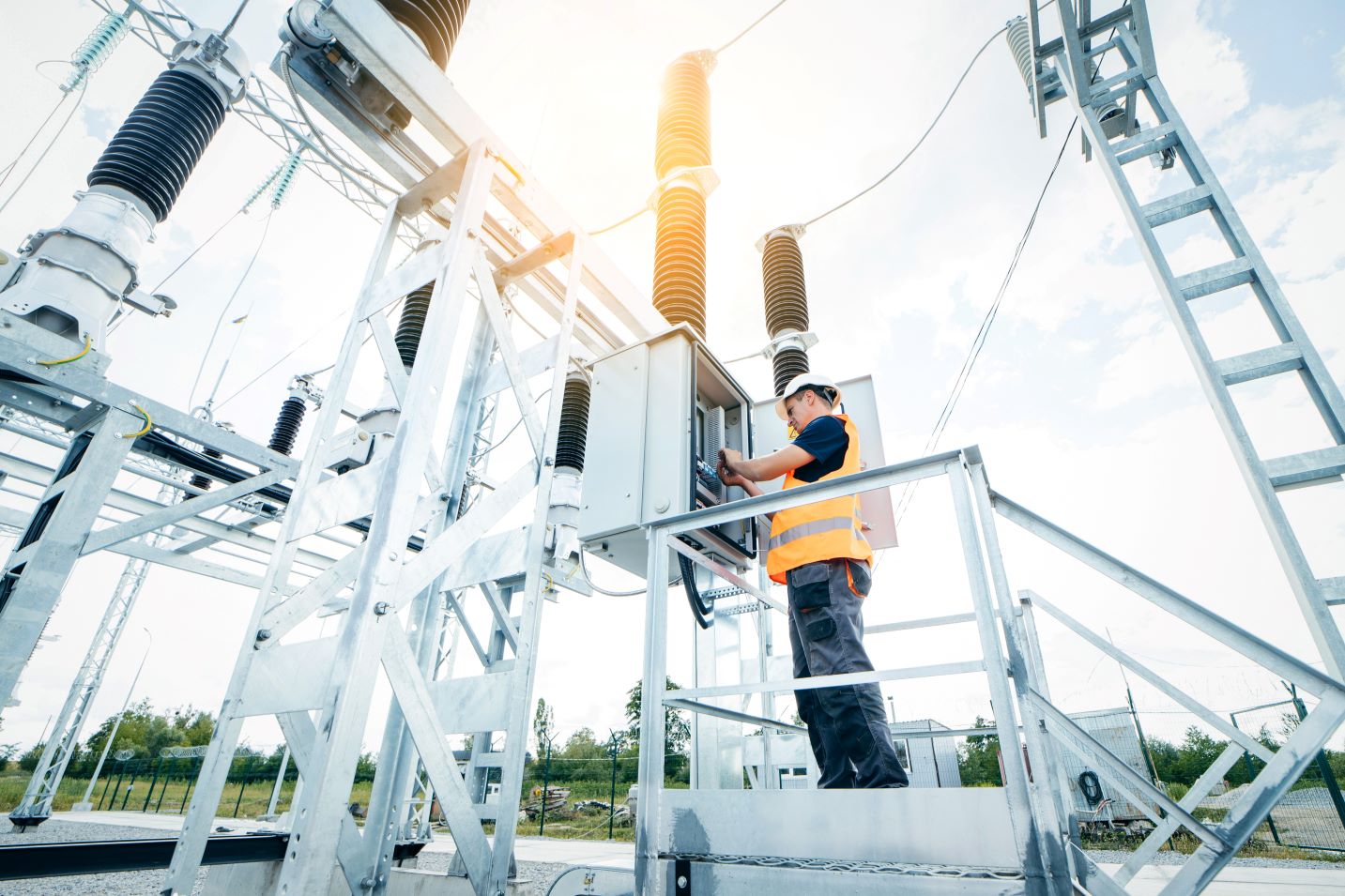
Modern energy facilities rely heavily on electronics, sensors, and digital control systems to maintain seamless and timely operations. In turn, society also demands reliability from these systems to support everyday life and critical infrastructure. However, interruptions caused by power fluctuations or grid instability can become so frequent, especially during peak energy use periods, that many organizations are unable to keep up. Research estimates that outages cost industrial companies an average of $9,000 per minute. Over time, these interruptions erode productivity, shorten equipment lifespan, and introduce safety risks. In a global economy defined by precision and reliability, not addressing these losses compromises societal stability, wears away customer trust, and puts organizations at a competitive disadvantage.
The Causes and Hidden Costs of Power Downtime
Imagine a modern automotive plant where robotic systems assemble vehicles with millimeter precision, and a single voltage surge can halt mass production instantly. In this and many other scenarios, an hour of downtime can cost more than $2 million, and that’s before accounting for delayed shipments, idle workers, and ripple effects across suppliers.
Power issues and fluctuations are often triggered by external factors that place sudden stress on the electrical grid, with severe weather—such as snowstorms, heat waves, or hurricanes—being one of the most common causes. Heavy snow, ice, and winds can damage transmission lines, weigh down infrastructure, and lead to short circuits or line faults. Rapid temperature fluctuations keep people indoors, leading to increased demands on heating or cooling systems that strain already limited grid capacity. Utilities may respond with load shedding or controlled outages to protect the grid, resulting in voltage sags, surges, or brief power interruptions at the facility level. Aging infrastructure, delayed maintenance, and increased reliance on distributed energy sources can further amplify these fluctuations, creating unstable power conditions that ripple through sensitive electronic systems and disrupt operations even when outages are brief.
Why Proactive Electrical Resilience Matters
Despite these stakes, many companies still rely on reactive responses that address failures only after they occur. This approach is costly, disruptive, and increasingly unsustainable. True electrical resilience requires a shift toward proactive diagnostics and prevention.
Proactive energy solutions help industrial manufacturers and electrical power organizations move from reactive recovery to operational resilience. By investing in power quality monitoring, backup systems, and intelligent energy management, organizations can identify vulnerabilities before they escalate into failures. Advanced diagnostics can detect early signs of component fatigue or abnormal voltage behavior before they trigger shutdowns. Smart grid technologies can dynamically reroute power to keep critical systems online during disturbances.
Data centers are also driving demand for reliable power supply and protection against extreme weather outages, and new microgrid systems are considered the “essential building blocks” for the future of power systems – offering everything from forest fire prevention to battery-hydrogen hybrid power to site-specific needs and more.
“If companies are installing the next generation of automation, then they need a next-generation approach to protecting the electronics supporting it. You can’t introduce advanced technology without ensuring that the underlying electrical infrastructure can sustain it.” – Jeff Edwards, founder and CEO, Energy Control Systems
Enhancing and developing new electrical measures can reduce unplanned downtime, protect sensitive equipment, and stabilize production even during grid disturbances or peak demand events. Long-term, proactive energy strategies also improve efficiency, extend asset life, and support long-term planning—enabling organizations to maintain reliability, control costs, and stay competitive in an increasingly precision-driven global economy.
Leaders must understand the true cost of downtime, the vulnerabilities within their systems, and the tradeoffs between short-term fixes and long-term solutions. Without this foundation, even sophisticated technologies can be misapplied or underused. This need is becoming more urgent as global energy challenges intensify. Aging power grids, rising demand, and the integration of renewable sources increase system complexity and instability. Industries must address vulnerabilities within their own facilities to maintain efficiency and competitiveness to support critical societal needs.
Electrical Engineering at Capitol Tech
Capitol Technology University’s Bachelor of Science in Electrical Engineering program prepares students to design, analyze, and protect the electronic systems that drive modern industry. Through hands-on learning and industry-focused coursework, students develop expertise in power systems, diagnostics, automation, and infrastructure resilience. Graduates are equipped not only to respond to failures in electronic infrastructure but innovate the future of power systems.
Explore what a degree from Capitol Tech can do for you! To learn more, contact our Admissions team or request more information.
Written by Jordan Ford
Edited by Erica Decker