


Exploring Careers Paths and Industry Potential in Aeronautics
March 4, 2026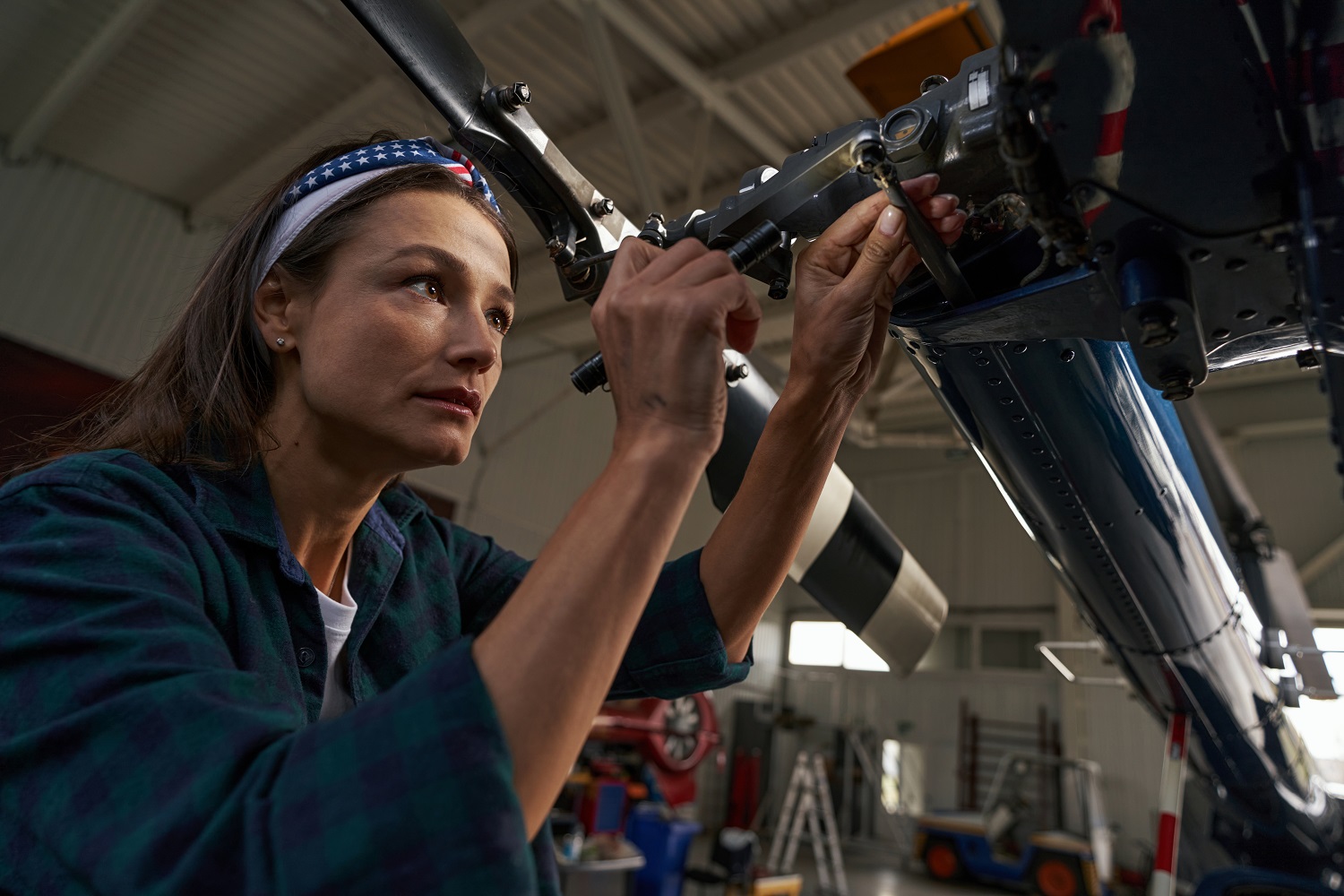
A degree in aeronautics opens doors far beyond piloting aircraft. The field sits at the intersection of engineering, innovation, and exploration and now spans commercial aviation, aerospace defense, space tourism, and sustainable flight. From designing spacecraft to developing green propulsion systems, aeronautics graduates develop problem-solving skills valued across industries.
Traditional Careers in Aeronautics
The aviation industry continues to offer high-earning and impactful career opportunities across a variety of traditional roles.
Airline pilots can earn more than $200,000 annually, with 7% growth projected through 2030. Air traffic controllers manage aircraft movement, earning a median salary of $145,000. Airport operations specialists ensure runway safety and coordinate daily activities.
Aerospace engineers design aircraft and spacecraft, earning an average of $135,000 annually. Avionics engineers specialize in electronic systems, while manufacturing engineers oversee production quality. Flight test engineers evaluate new designs before service entry, and aircraft maintenance technicians with FAA Airframe & Powerplant certificates perform essential repairs and inspections.
These hands-on careers offer stable employment and regular advancement opportunities.
Emerging Roles in Aeronautics
The space sector is experiencing exponential growth and is a key source of new career pathways in aeronautics. Commercial spaceflight companies hire for positions that didn't exist a decade ago as part of a space economy that projects to reach $2 trillion by 2040.
Spacecraft operations specialists control satellites, while space tourism positions emerge across the industry. Sustainability is also driving new career paths. The industry aims for 10% sustainable aviation fuel usage by 2030, creating demand for sustainable aviation fuel specialists and green propulsion engineers working on electric and hydrogen aircraft.
Cutting-edge technologies are reshaping the field. UAV and drone operators are expected to be one of the highest growth careers as use cases expand significantly. Autonomous systems engineers develop pilotless aircraft. AI specialists optimize flight operations and predictive maintenance, reducing unscheduled downtime by 35%. Digital twin engineers create virtual aircraft models for testing.
Why Aeronautics Opens Doors
An aeronautics degree provides a strong STEM foundation applicable beyond aviation. Graduates develop systems-thinking and complex problem-solving abilities essential in any technical field. Regulatory knowledge and a safety-first mindset transfer to defense, manufacturing, tech startups, consulting, and government agencies. Project management, technical communication, and data analysis skills make aeronautics graduates valuable across industries.
Additive manufacturing is revolutionizing production, while advanced materials are improving fuel efficiency and industry-wide decarbonization initiatives are creating new specializations.
As the new space economy emerges, a pilot shortage is also driving demand as airlines face retirement waves and rebounding travel. This convergence of factors positions aeronautics professionals for a variety of in-demand career opportunities.
Aviation Programs at Capitol Tech
Capitol Technology University offers several notable undergraduate degrees in aviation, including our BS in Aeronautics, BS in Aviation Professional Pilot, BS in Aerospace Systems and Flight Engineering, and BS in Aviation Maintenance and Management. These programs provide pathways whether you want to fly, design aircraft, operate drones, or manage aviation operations.
Our pilot program is only Maryland FAA-designated program within DC’s Special Flight Rules Area (SFRA) authorized to offer a Restricted Airline Transport Pilot (R-ATP) license. Fewer required flight hours equals significant cost and time savings for students. In Fall 2026, Capitol Tech will open two new flight training locations across Maryland, providing four training facilities in one of the world's busiest Class B airspaces.
Additional activities for interested youth are our Aviation Visitor's Day to tour facilities, meet faculty, and experience hands-on demonstrations. High school students can also register for AeroCamp Summer 2026 through Capitol Tech's partnership with FSANA. Students who attend AeroCamp and enroll in the Aviation Professional Pilot program receive a $5,000 scholarship.
This is the perfect time to enter the field of aeronautics. High demand careers are meeting diverse opportunities in our evolving airspace. Whether you’re passionate about flight, space, sustainability, or cutting-edge technology, aeronautics offers a compelling pathway. Capitol Tech's strategic location, expanded facilities, and industry partnerships position graduates for immediate success.
Explore what a degree from Capitol Tech can do for you! To learn more, contact our Admissions team or request more information.
Written by Jordan Ford
Edited by Erica Decker