


The Ethics of Neurotechnology: Why New Global Standards Matter
January 21, 2026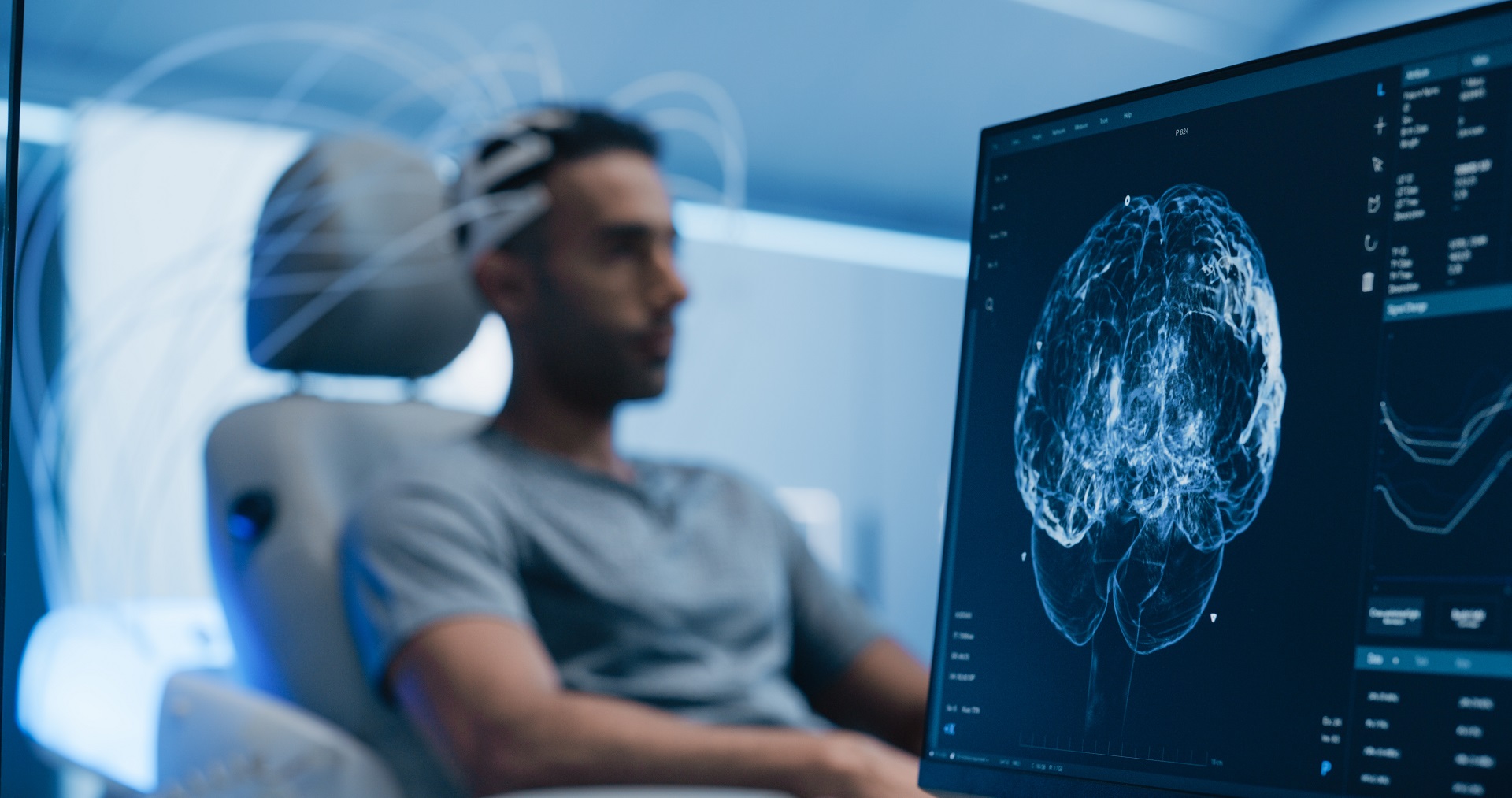
Neurotechnology, the science of hardware and software interfacing directly with the human brain, is no longer an element of science fiction. From brain-computer interfaces for communication to consumer headbands for improved focus, neurotechnology involves devices that read or influence neural activity, using methods like electroencephalography or implanted electrodes to capture brain signals and translate them into actionable data.
The potential benefits are extraordinary: restoring mobility, treating neurological disorders, and enhancing cognitive performance. However, the ethical stakes are equally high. More than just another dataset, brain data represents thoughts, emotions, and–at its core–one's identity. This information is unique to everyone, just like a social security number or other health data. As neurotech adoption accelerates, questions about data privacy, autonomy, consent, cybersecurity, and equity demand urgent attention.
How Brain Data Is Collected and Used
Modern neurotechnological devices gather brain signals through sensors or implants, often transmitting this data to online cloud-based platforms for analysis and storage. Brain data is used to interpret cognitive states such as attention, stress, or emotional responses. This information can be analyzed to improve medical treatments, personalize learning experiences, and optimize workplace productivity.
Neuralink, for example, is a company developing implantable brain–computer interfaces (BCIs). Their method involves surgically implanting ultra-thin electrodes directly into the brain to record and stimulate neural activity with high precision. The goal is to enable direct communication between the brain and external devices, with potential applications ranging from restoring movement or speech in patients with neurological conditions to eventually enhancing human–computer interaction.
Another example, the semantic decoder, works by analyzing brain activity using functional magnetic resonance imaging, a common, non-invasive neuroimaging technique that relies, in part, on a machine learning model similar to ChatGPT. In action, it can generate text that captures what a person is thinking or hearing, almost like a visual storyboard.
These impressive neurotechnologies, however, raise important ethical and privacy concerns, particularly regarding the security, ownership, and potential misuse of highly sensitive brain data. As this data is extracted, stored, and shared across platforms, it creates vulnerabilities–both the risk of hacking and the possible unintentional or intentional misuse by employers, advertisers, governments, or malicious actors. A European Parliamentary study warned that consumer-grade neurotech could enable psychological profiling or behavioral manipulation if left unregulated. Similarly, the UN Special Rapporteur on Privacy has classified neurodata as highly sensitive personal data, calling for privacy-by-design principles and strict accountability measures.
The stakes are amplified by the rapid growth of the neurotech market. Global investment in neurotechnology surged by 700% between 2014 and 2021, signaling a race to commercialize brain data. Without robust safeguards, this boom threatens to outpace ethical considerations and oversight.
A Milestone in Global Ethical Standards
Recognizing these risks, UNESCO adopted its first global ethical standards for neurotechnology in November 2025. The framework emphasizes mental privacy, informed consent, and protection against coercion, particularly for vulnerable populations like children. It also addresses emerging concerns such as workplace neurotech, where employees might feel pressured to use devices that monitor cognitive states.
However, a recent Nature report argues that UNESCO’s standards do not fully align with the UN Convention on the Rights of Persons with Disabilities, cautioning against framing neurotech solely as a way to address disabilities. Instead, it advocates for a rights-based approach that ensures equitable access and affordability. Additionally, few governments explicitly recognize "neurorights, such as mental privacy and freedom of thought," making this area more difficult to advocate for or regulate.
Consumer neurotech often falls outside medical device regulations, as well, leaving millions of users exposed to untested claims and unclear data protections. To address these gaps, advocates are calling for global standards and public education to prevent exploitation and misinformation.
“A robust national legal framework that guarantees the right to privacy including the principles of informed consent, ethics in design, the precautionary principle and non-discrimination is crucial to ensure a balance between technological innovation and the protection of human rights.” - Ana Brian Nougrères, UN Special Rapporteur on the right to privacy.
Why Collaboration and Education Are Critical
In addition to creating standard policies, ethical neurotechnologies must also be developed by professionals who are equipped with not only the technical expertise needed, but also a deep understanding of ethical frameworks and human rights. Universities and training programs should integrate neuroethics into STEM curricula to prepare future engineers, data scientists, and healthcare workers for the complex decisions they’ll face today and in the future.
At the same time, collaboration between governments, tech companies, and international organizations is essential to ensure that innovation is guided by shared values and transparent oversight. Safeguarding cognitive rights is foundational to human dignity in the digital age.
Shaping the Future of Healthcare Technology at Capitol Tech
Neurotechnology promises breakthroughs that could redefine medicine and human potential. But without global ethical standards and informed tech professionals, these innovations risk becoming tools of surveillance, manipulation, and inequality. Capitol Technology University’s PhD in Healthcare Technology prepares visionary leaders to shape the future of medical innovation. With a curriculum that blends advanced research, data analytics, and emerging technologies with a strong focus on ethical considerations, students gain the skills to tackle complex challenges in healthcare systems and policy.