


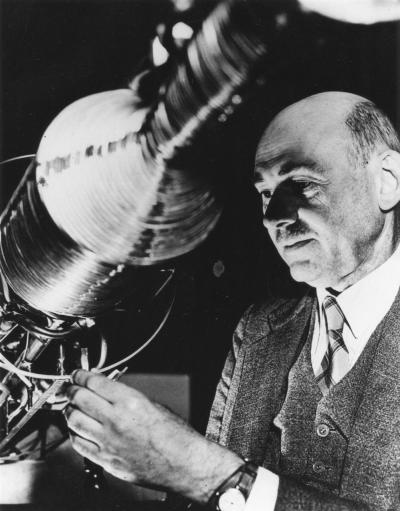
On March 16, 2026, the global space community marks a historic milestone: the 100th anniversary of the first successful liquid-fueled rocket launch by pioneering physicist and engineer Dr. Robert H. Goddard. This groundbreaking experiment took place in 1926 on a family farm in Auburn, Massachusetts, when Goddard launched a small rocket he had designed, fueled by gasoline and liquid oxygen—an achievement widely regarded as the birth of modern rocketry.
The rocket, “Nell,” reached about 40 feet in altitude, providing the first evidence that liquid propulsion could power rockets. This laid the foundation for humanity's space age, our landing on the moon, and rocket engineering as we know it today.
Honoring the Legacy of Goddard and NASA’s First Spaceflight Center
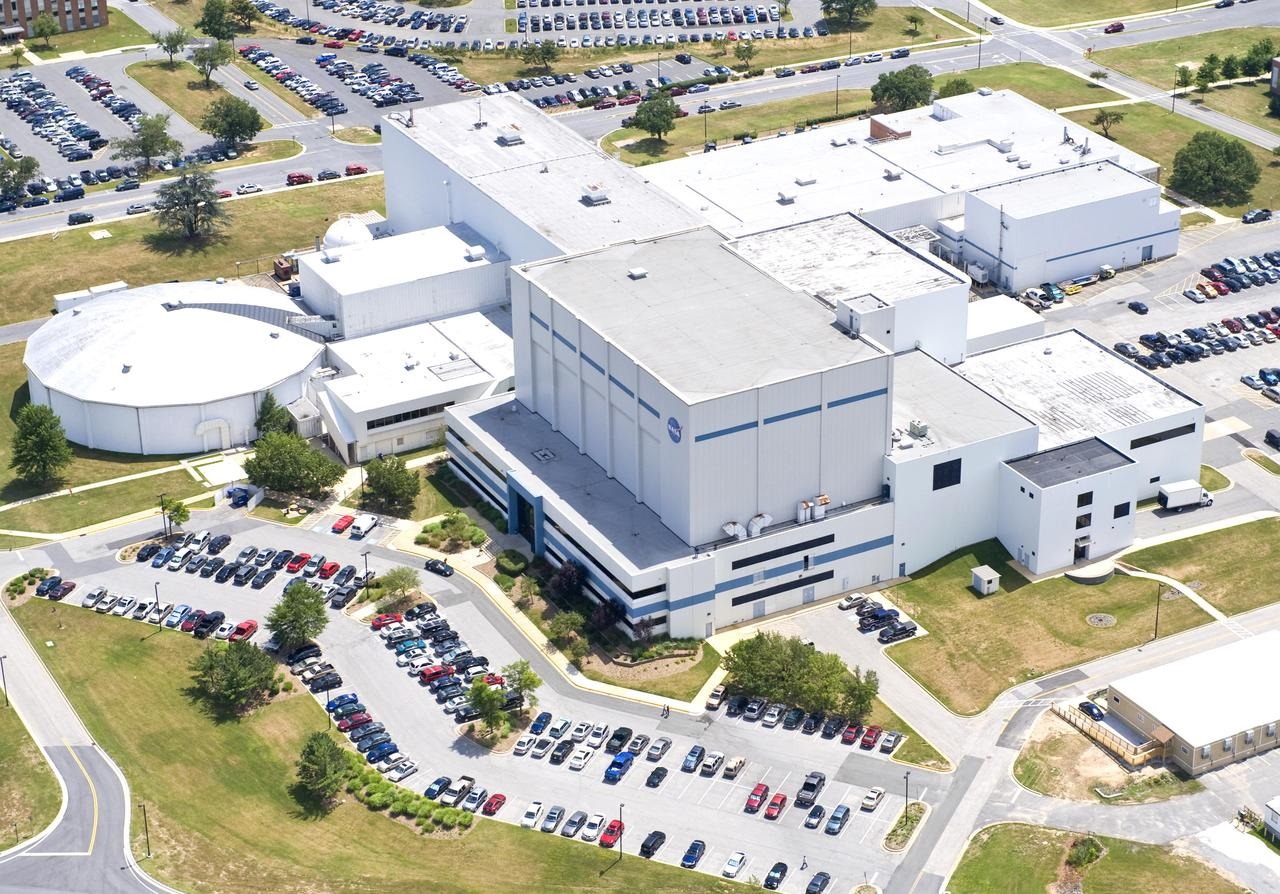
The centennial of Goddard’s historic launch also highlights the enduring legacy of NASA’s first spaceflight center, Goddard Space Flight Center (GSFC) in Greenbelt, Maryland, which was formally dedicated 65 years ago on March 16, 1961 on the 35th anniversary of Dr. Goddard’s first launch. Named in honor of Dr. Goddard, the GSFC is home to the nation’s largest organization of scientists, engineers and technologists, focused on designing, building, testing and operating complex spacecraft and instruments used to study the Earth, the sun, our solar system and the universe. GSFC has played a pivotal role in advancing space science and technology for more than six decades.
As the nation celebrates both a century of rocket innovation and 65 years since the dedication of NASA’s first “space flight” Center, it is a perfect time to reflect on Goddard’s enduring impact on science, engineering, and education.
Capitol Tech's Legacy of Support to NASA and Goddard’s Vision
In 2027, Capitol Tech will be celebrating its own 100th anniversary. Founded just a year after Goddard’s first flight, our school’s roots share the same post-WWI drive for innovation in the United States. Capitol Tech was founded in 1927 by Navy veteran and radio operator, Eugene H. Rietzke, who saw the need for an advanced school that could produce talented radio and electronics technicians. Our mission has remained steadfast over the decades, focused on developing programs in traditional as well as emerging programs fields of technology. As part of that legacy, in 2003, Capitol Tech established an Astronautical Engineering (AE) program, as NASA and other aerospace organizations were driving to onboard more space-focused engineers.
Capitol Tech has a long history of working closely with leading organizations in the aerospace industry—including NASA GSFC—to ensure that our curriculum and laboratories continuously evolve to meet the needs of today’s workforce. This strong alignment with industry has helped prepare generations of graduates for careers at the forefront of space and aerospace innovation. As a result, Capitol Tech alumni can be found throughout NASA and across the broader aerospace sector, contributing their expertise and dedication to missions that advance exploration, science, and technology.
Continuing the Mission of Discovery
The story of Robert H. Goddard is one of persistence, imagination, and scientific curiosity. At a time when many doubted that rockets could operate in the vacuum of space, his experiments proved otherwise and opened the door to a future that includes lunar missions, robotic explorers across the solar system, and observatories studying distant galaxies.
A century later, that spirit of experimentation continues in laboratories, classrooms, and launch pads across the country—serving as a reminder that the next breakthrough is being developed by today’s students and graduates, just as Goddard’s early work once transformed a bold idea into reality.
Researching the Impact of Dr. Goddard
Those interested in exploring the life and legacy of Robert H. Goddard in greater depth can watch a video retrospective and read a thorough research paper by NASA veteran and Capitol Tech’s current AE Program Director, Jeff Volosin. His work reflects years of dedicated historical research collected from the Library of Congress’ microfilm archives.
Professor Volosin’s research documents Goddard’s impact on science and society, including a thorough catalog of times when mentions of Goddard appeared in newspapers and other publications during his lifetime. His paper provides a unique historical perspective on the reaction to Goddard’s revolutionary ideas by the public and the science community. From zealous excitement to extreme pessimism, this paper reflects on the human-side of the story of scientific accomplishment.